Casting F. Scott Fitzgerald in Stewart O’Nan’s West of Sunset

Arguably the greatest American writer of the twentieth century – perhaps in history – F. Scott Fitzgerald was as complex, compelling, and ultimately tragic as any character in his legendary body of work. Stewart O’Nan’s latest novel, West of Sunset, is a nuanced, witty, and moving chronicle of the troubled author’s final years living amid the decadence of Hollywood during the golden age of cinema.

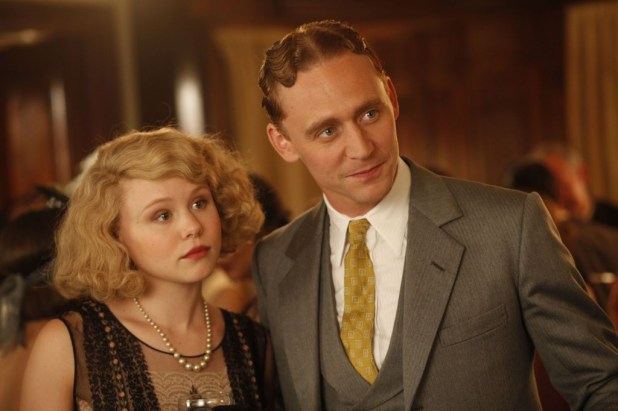
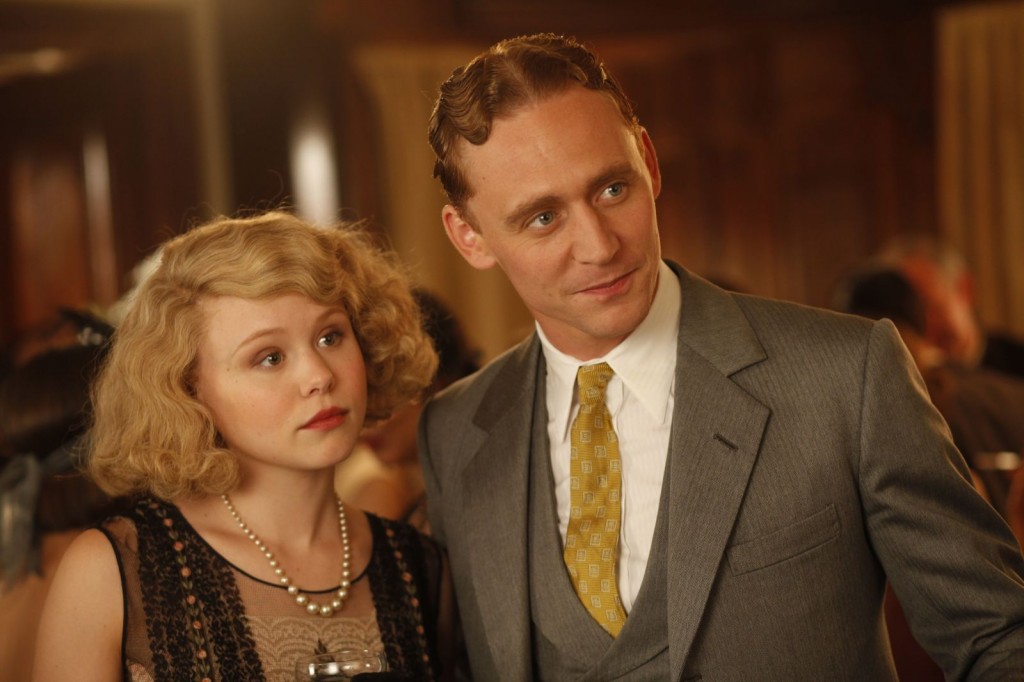
In 1937, F. Scott Fitzgerald was well beyond his years of greatest success. In financial and emotional freefall, the alcoholic Fitzgerald made his way to Hollywood to fulfill a screenwriting contract with Metro Goldwyn Mayer. Despite his sometimes crippling doubts about the state of his creative abilities and the ongoing turmoil in his relationship with his wife, Zelda, Fitzgerald remained of captivating charm even if it was little more than a facade. Given the timeless nature of Fitzgerald’s body of work, the stranger-than-fiction nature of his final years, and his literary stature, West of Sunset is a semi-fictionalized biography ripe for adaptation. Let’s take a look at some possible casting choices, shall we?

[more]

Review of West of Sunset from The Washington Post

imgres

By Maureen Corrigan

… That grim yet undeniably fascinating last act of Fitzgerald’s life is the subject of Stewart O’Nan’s gorgeous new novel, “West of Sunset.” As he has demonstrated in “Last Night at the Lobster” and “Emily, Alone,” O’Nan is a writer alert to the courage and beauty inherent in the stories of people who simply have to keep on keeping on. What interests him about Fitzgerald’s exile in Hollywood is not so much the glitter (although Humphrey Bogart, Marlene Dietrich and other stars make appearances), nor his love affair with gossip columnist Sheilah Graham (whose blond good looks evoked the young Zelda), but rather Fitzgerald’s anxious commitment to his work as a screenwriter. Most of the movies Fitzgerald was assigned to were dreck (although there was a short stint on “Gone with the Wind”). Nevertheless, sitting down every day in his office or the various furnished cottages and apartments he rented in and around Hollywood, Fitzgerald fueled himself with cigarettes and Cokes (or, frequently, something more potent) as he labored to make flimsy scripts better. Fitzgerald was always a worrier, relentlessly tinkering with “The Great Gatsby” and “Tender Is the Night,” even after the publication of those novels. It’s that F. Scott Fitzgerald — the worn-out yet relentless craftsman — whom O’Nan compassionately evokes in “West of Sunset.”

[more]

TribLive and The Week

Two links of interest in TribLive and The Week:

logo_triblive

Fitzgerald fascination: Stewart O’Nan book, new biographies, film projects focus on F. Scott

O’Nan says “every journalist wanted to take me to a Red Lobster” when that novel was published in 2007, so his wife suggested he seek out more glamorous material.

“What do I know from glamour? I’m from Pittsburgh,” he says. “But American glamour is Fitzgerald on the Riviera. American glamour is Greta Garbo. So what if I look at one of the most romantic places in American history (Hollywood in the late 1930s) through the eyes of our greatest romantic. If I can’t make that glamorous, I’m not trying.”

logo

The novelist recommends works by Joanna Scott, Robert Coover, and more

Review of West of Sunset from Newsday

image

New novels reimagine Virginia Woolf, F. Scott Fitzgerald
By LINDA SIMON

In O’Nan’s glitzy, tawdry Hollywood, Humphrey Bogart and his tipsy girlfriend turn up as Scott’s neighbors, acerbic Dorothy Parker and Robert Benchley are his co-workers. Hemingway visits, a guest of his friend Marlene Dietrich, expounding about his travels in war-torn Spain. While Hemingway’s career flourishes — he sends Scott his new book, “For Whom the Bell Tolls” — Fitzgerald struggles. Dead of a heart attack at 44, he leaves Zelda “haunted with vagrant memories. … The soul aspires to be known,” she writes to Scottie. “Mine will never be again so deeply now that he is gone.”

[more]