


TribLive and The Week
Two links of interest in TribLive and The Week:

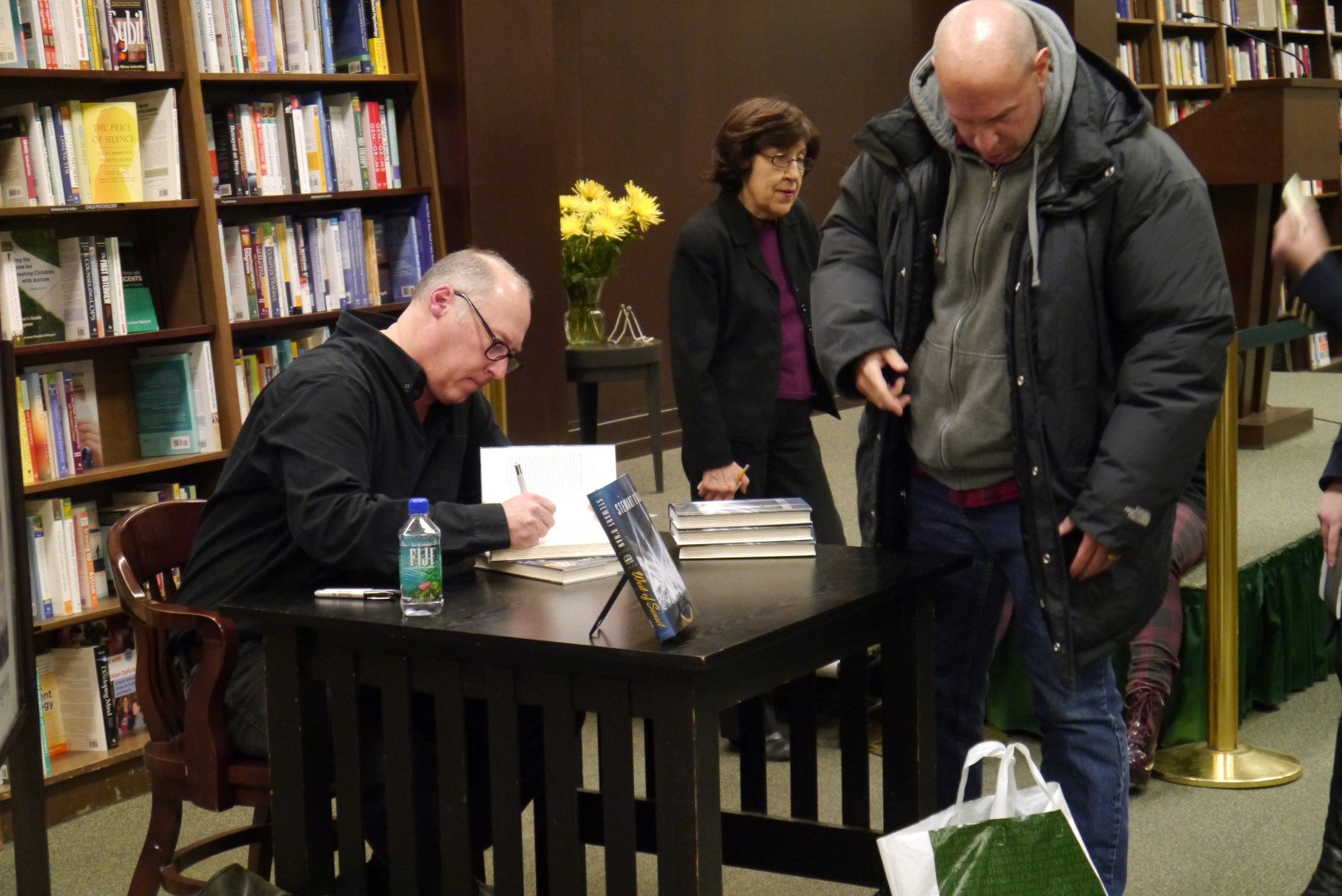
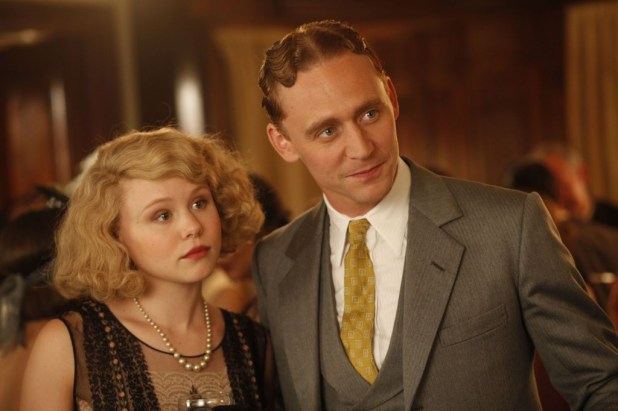
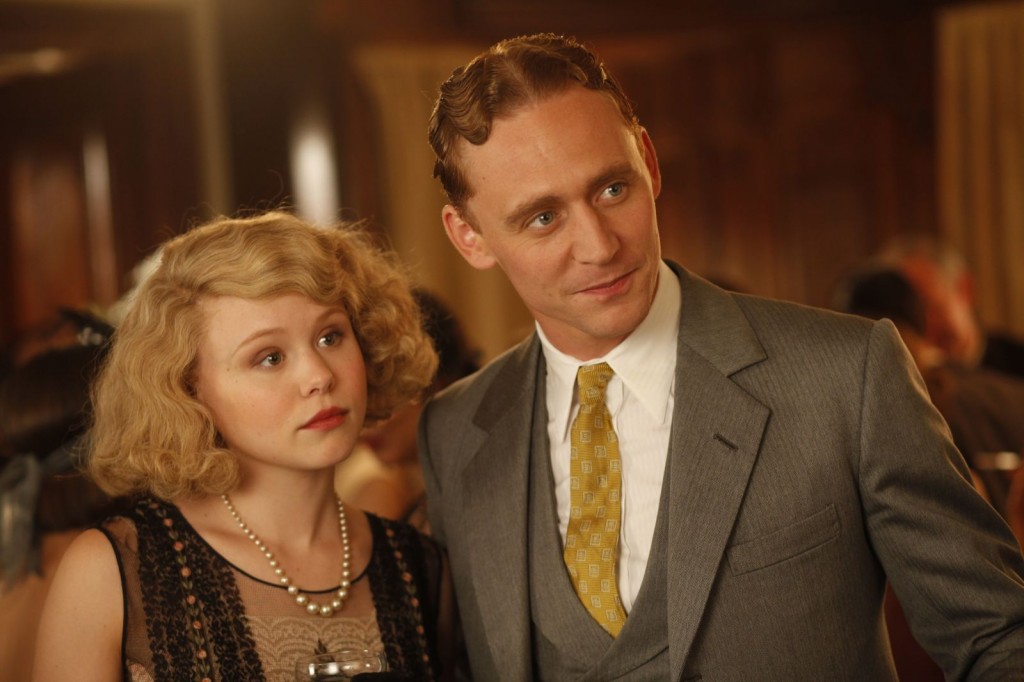
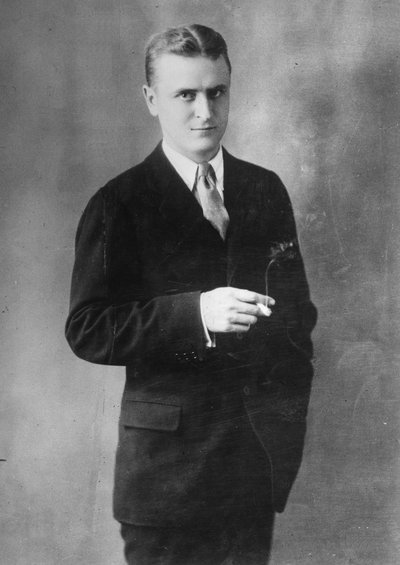
Fitzgerald fascination: Stewart O’Nan book, new biographies, film projects focus on F. Scott
O’Nan says “every journalist wanted to take me to a Red Lobster” when that novel was published in 2007, so his wife suggested he seek out more glamorous material.
“What do I know from glamour? I’m from Pittsburgh,” he says. “But American glamour is Fitzgerald on the Riviera. American glamour is Greta Garbo. So what if I look at one of the most romantic places in American history (Hollywood in the late 1930s) through the eyes of our greatest romantic. If I can’t make that glamorous, I’m not trying.”

The novelist recommends works by Joanna Scott, Robert Coover, and more
Review of West of Sunset from Newsday

New novels reimagine Virginia Woolf, F. Scott Fitzgerald
By LINDA SIMON
In O’Nan’s glitzy, tawdry Hollywood, Humphrey Bogart and his tipsy girlfriend turn up as Scott’s neighbors, acerbic Dorothy Parker and Robert Benchley are his co-workers. Hemingway visits, a guest of his friend Marlene Dietrich, expounding about his travels in war-torn Spain. While Hemingway’s career flourishes — he sends Scott his new book, “For Whom the Bell Tolls” — Fitzgerald struggles. Dead of a heart attack at 44, he leaves Zelda “haunted with vagrant memories. … The soul aspires to be known,” she writes to Scottie. “Mine will never be again so deeply now that he is gone.”
[more]
NPR: West Of Sunset Imagines F. Scott Fitzgerald’s Last Years In Hollywood
If you missed the NPR Weekend Edition Saturday segment this morning, you can listen to it now:

West Of Sunset Imagines F. Scott Fitzgerald’s Last Years In Hollywood
Review of West of Sunset from Amazon (An Amazon Best Book of the Month, January 2015)

When an ambitious writer hops onto a high wire and strides across with grace, it’s a wonderful thing to behold. And I don’t mean this as hyperbole. Stewart O’Nan’s West of Sunset, his glimmering fictional biography of F. Scott Fitzgerald’s troubled years in Hollywood, is simply one of the best books I’ve read in many months. In some ways, this is a portrait of the artist as an aging man. We see Fitzgerald, “like an athlete,” awake each day at 5 to write, then toil through long hours at “the Iron Lung,” MGM’s catty screenwriters’ wing, then scratch out a few more words at night (which would turn into his unfinished final novel, The Last Tycoon). “When he was working, it worked,” O’Nan tells us. “It was when he stopped that the world returned, and his problems with it…” In truth, not a whole lot happens. Fitzgerald pops his pills, visits Zelda and Scottie back East, has a messy yet loving affair, and occasionally gets stupid drunk. We’re treated to sassy walk-ons by Dorothy Parker, Ernest Hemingway, and Humphrey Bogart. But part of the quiet, somber and entrancing appeal is how fully we become absorbed by Fitzgerald’s fight for relevance, or at least a few bucks. Ultimately, it’s quite heartbreaking to see the legendary creator of Gatsby cling to his literary dignity, his reputation and sanity slipping from his grasp, an outsider to the end.
—Neal Thompson

